

Our School Year in Focus - Spring Term 1
Celebrating Epiphany Through Culture, Language and Community
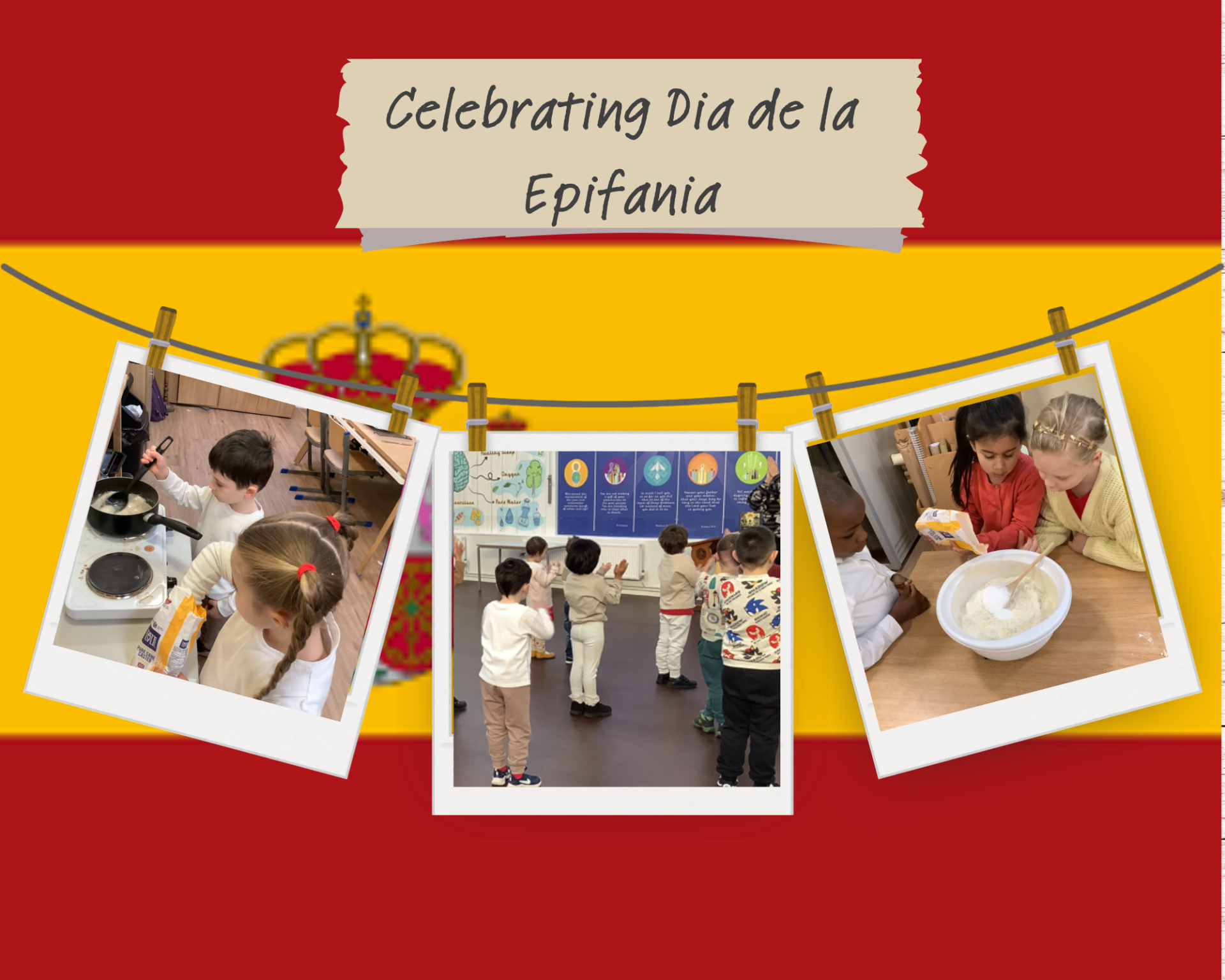
At the start of the Spring Term, Our Lady of the Rosary marked the 'Dia de la Epifania' (Feast of the Epiphany) with a whole-school celebration that brought together learning, culture and community action.
As part of our commitment to Modern Foreign Languages, this year’s celebrations focused on Spanish traditions, helping pupils to deepen their understanding of the culture linked to the language they study across the school. Children came to school dressed in white and gold, reflecting the liturgical season, alongside the red and yellow of the Spanish flag, creating a vibrant and inclusive atmosphere.
Pupils took part in age-appropriate flamenco workshops, led by a professional dancer. These sessions combined music, movement and cultural storytelling, supporting pupils’ physical development, confidence and teamwork, while broadening their cultural awareness. Classes also learned about traditional Epiphany customs in Spain, including making Roscón de Reyes (Kings’ Cake), helping pupils to explore symbolism, language and shared celebration through a practical, hands-on experience.
The celebration was further enriched through our own Cabalgata de Reyes (Three Kings’ Parade), which helped pupils reflect on the journey of the Wise Men and the message of Epiphany, recognising Jesus and responding with joy and welcome.
The day also included a strong element of community responsibility. Children were invited to bring a small baby gift, which were later donated to local charities supporting families and babies in need, including Home-Start Spelthorne and Baby Basics. This provided a meaningful opportunity for pupils to learn about generosity, social responsibility and the importance of helping others.
The celebration formed part of our wider commitment to providing a broad, rich curriculum, supporting pupils’ spiritual, moral, social and cultural development, while strengthening links between learning in the classroom and the wider world.
Anti-Bullying Ambassador Training
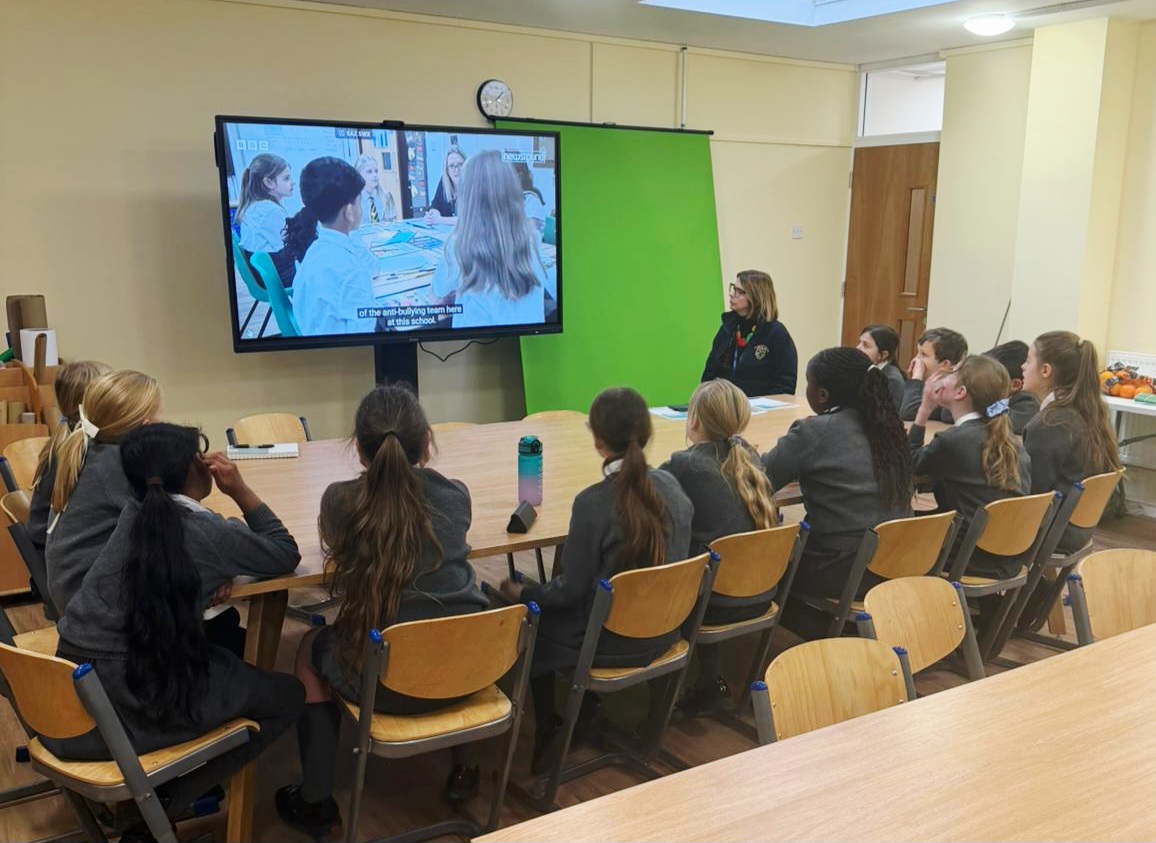
Some of the older members of our Pupil Parliament recently completed Anti-Bullying Ambassador training, preparing them to take an active role in promoting a safe, respectful, and inclusive school community.
During the workshop, pupils developed a clear understanding of bullying behaviour, including the different forms it can take (verbal, indirect, and physical) and what defines behaviour as bullying. Through discussion and real-life scenarios, they learned how to recognise concerns, support peers, and act safely by reporting issues to trusted adults.
A strong focus was placed on the role of the upstander, empowering pupils to challenge negative behaviour responsibly and to offer support to those affected. Pupils also explored the qualities needed to be effective ambassadors, such as kindness, courage, and integrity.
The training concluded with pupils making an Anti-Bullying Pledge, reinforcing their commitment to helping everyone feel safe, included, and respected in our school.
'Voices of Hope' Oracy Project Launch
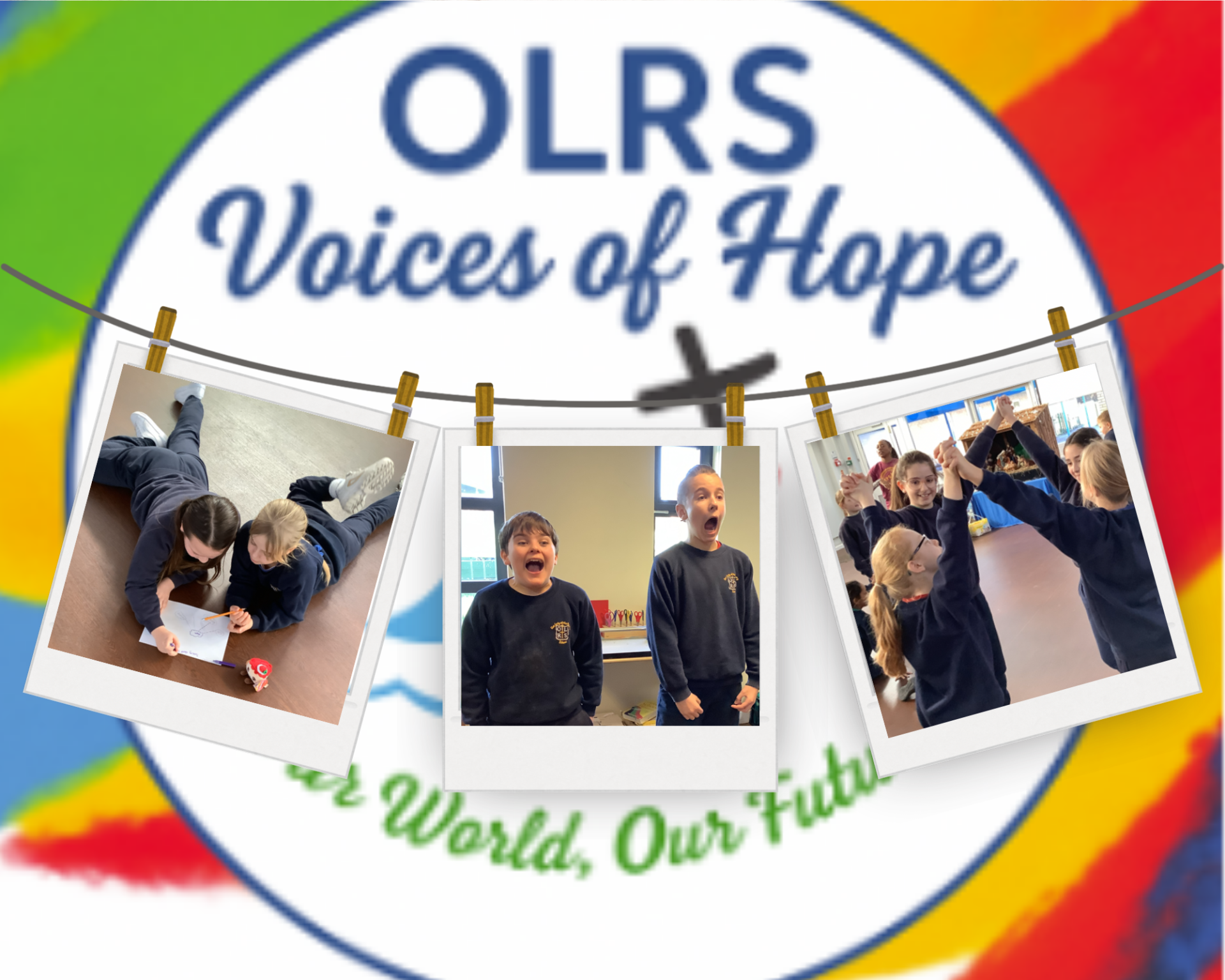
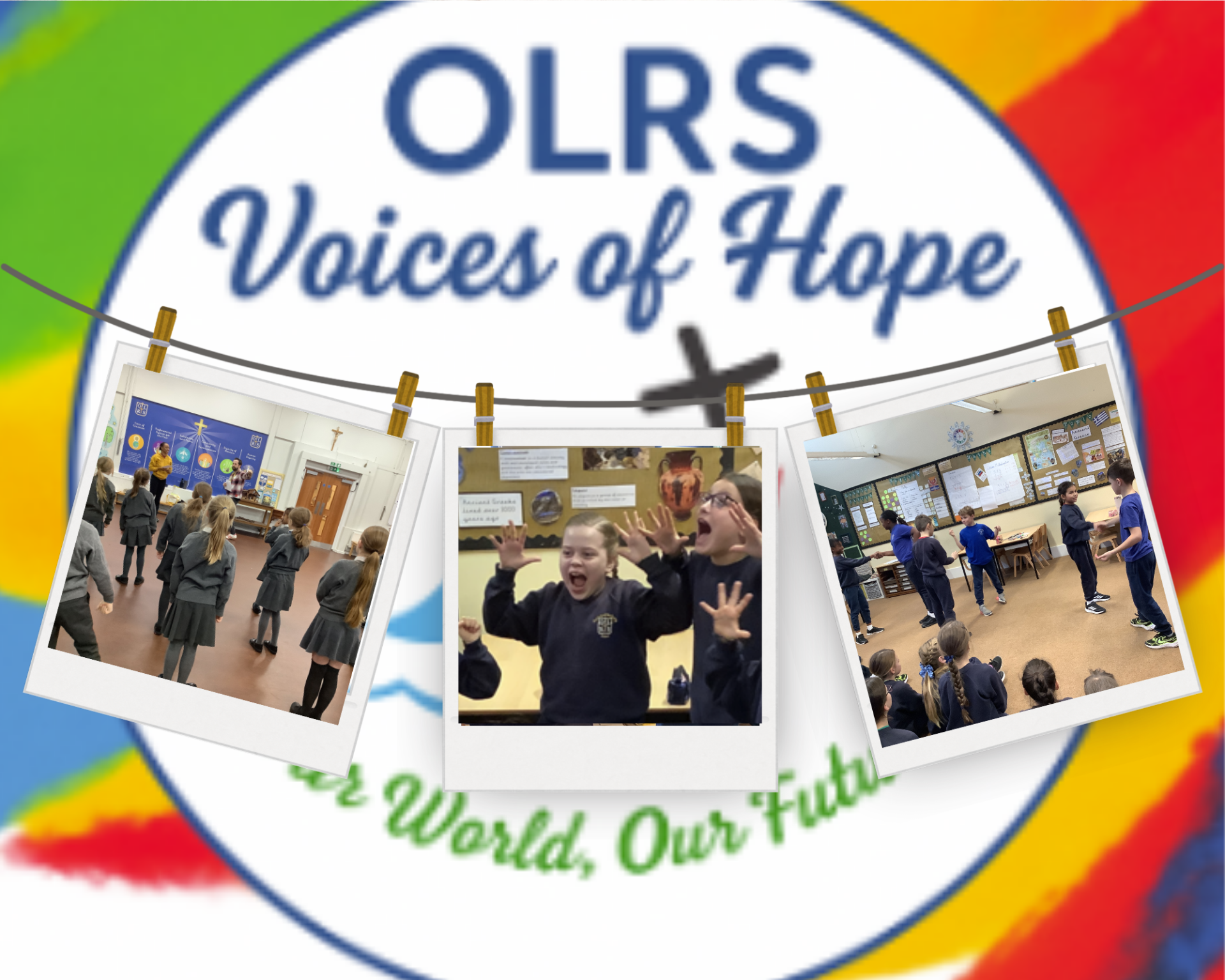
Our Voices of Hope oracy project was launched, with drama workshops for Year 5 and Year 6, each designed to develop pupils’ speaking and listening skills and support the writing and delivery of impactful speeches.
Through carefully structured drama techniques, pupils explored how to use their voices, body language and presence to communicate with confidence, clarity and intent. The sessions placed a strong emphasis on articulating ideas clearly, listening respectfully and responding thoughtfully to others.
During their workshop, Year 5 focused on persuasive speaking linked to global issues, including climate change, global warming and rising sea levels. Year 6 explored how to construct public arguments that call for hopeful action, addressing themes of injustice and inequality.
Across both workshops, pupils demonstrated enthusiasm, maturity and creativity. The sessions provided practical strategies that will continue to support high-quality oracy, writing and presentation across the curriculum.
Future Focus Fortnight
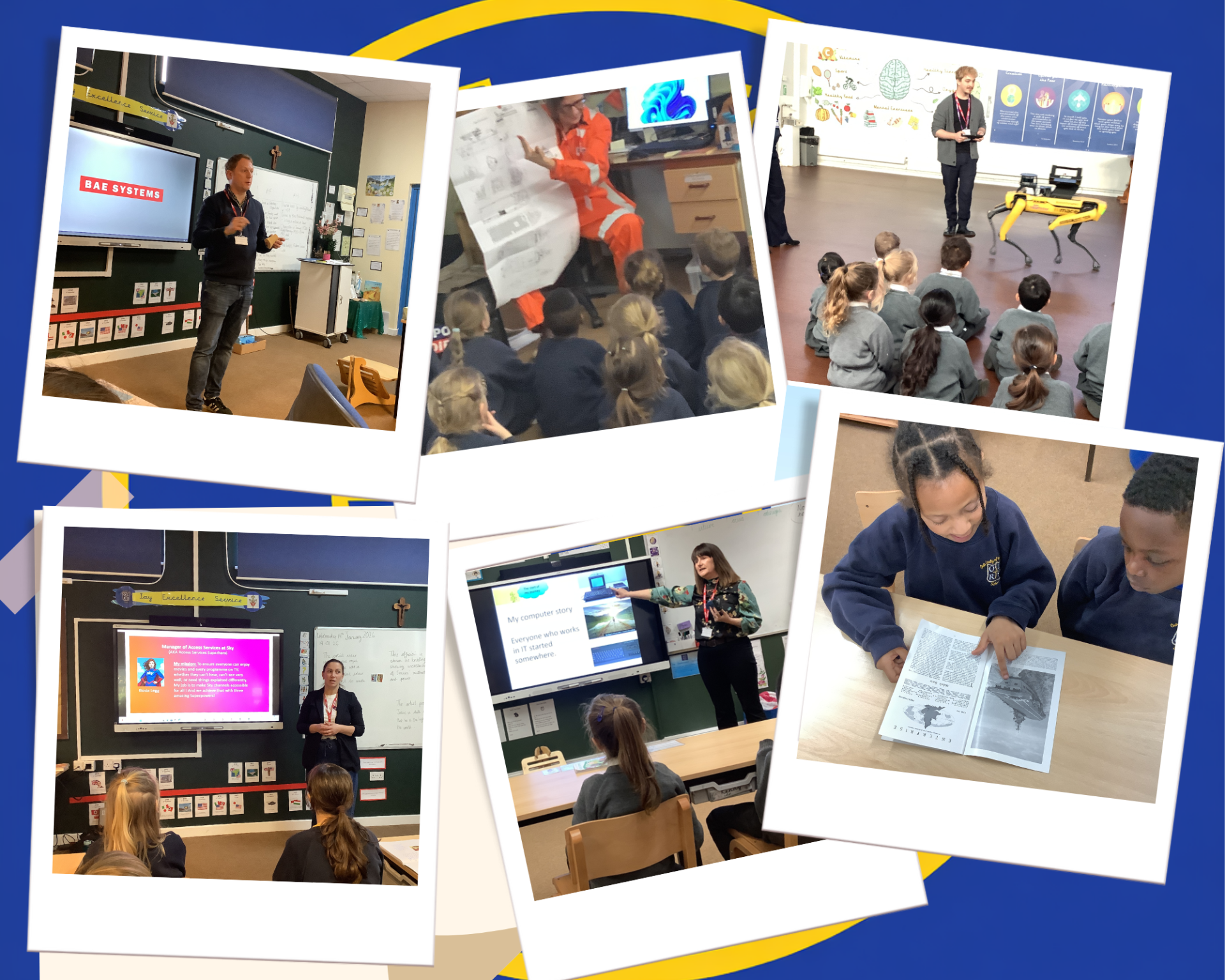
Future Focus Fortnight is a key part of our school year that brings parents, carers and members of the wider community into school to share their experiences of work and career pathways with pupils from Nursery to Year 6.
Across the fortnight, visitors from a wide range of professions speak with pupils about their roles, the skills they use and the journeys that led them to their careers. This includes professionals working in areas such as media, engineering, law, public service, archives, trades and risk management. These encounters help to raise aspirations by showing pupils the breadth of opportunities available to them and challenging assumptions about who can do which jobs.
Listening to and engaging with visitors supports pupils to develop confidence, curiosity and strong oracy skills. Pupils are encouraged to ask thoughtful questions, listen carefully and reflect on how their learning in school links to real-world contexts.
The involvement of parents and the wider community strengthens our partnership with families and ensures that pupils benefit from authentic, meaningful experiences. Future Focus Fortnight plays an important role in helping pupils to see themselves as future learners, workers and contributors to society.
Year 5 English National Opera Music Project
As part of our commitment to high-quality music education, Year 5 took part in a music-making project in partnership with the English National Opera, introducing pupils to opera as a distinct musical form and broadening their musical understanding.
Pupils explored Omar Shahryar’s opera Blue, Red, Yellow…, developing their knowledge of how music can convey mood, meaning and narrative. Through structured listening, discussion and rehearsal, pupils composed and refined their own musical responses, making purposeful choices about rhythm, percussion, vocal expression and structure. This approach supported pupils to build secure musical understanding, rather than focusing solely on performance outcomes.
The project placed a strong emphasis on listening and responding, helping pupils to recognise how musical elements work together and to evaluate the impact of their choices. Pupils developed confidence in performing and composing collaboratively, applying musical vocabulary accurately and demonstrating growing control over dynamics, texture and expression.
Feedback from the English National Opera team was exceptionally positive and highlighted the musical maturity of the composition. They praised the thoughtful and effective use of percussion to complement the words and singing, noting how this created clear emotional contrasts across each section. In particular, the team commented on the “twinkly” sounds used in the ‘spring’ section, describing how these evoked vivid imagery of flowers waking after winter and beginning to grow. This detailed feedback recognised pupils’ ability to make purposeful compositional choices and communicate meaning through sound.
Our final piece was selected as one of just 20 submissions from over 250 schools to be developed into an animation, reflecting both the quality of the musical work and pupils’ engagement with the compositional process. This experience provided pupils with valuable cultural capital and exemplified our approach to music education, ensuring all pupils have access to rich, ambitious musical experiences that develop knowledge, skills and confidence over time.
Engineering Day: Creativity, Problem-Solving and Inspiration
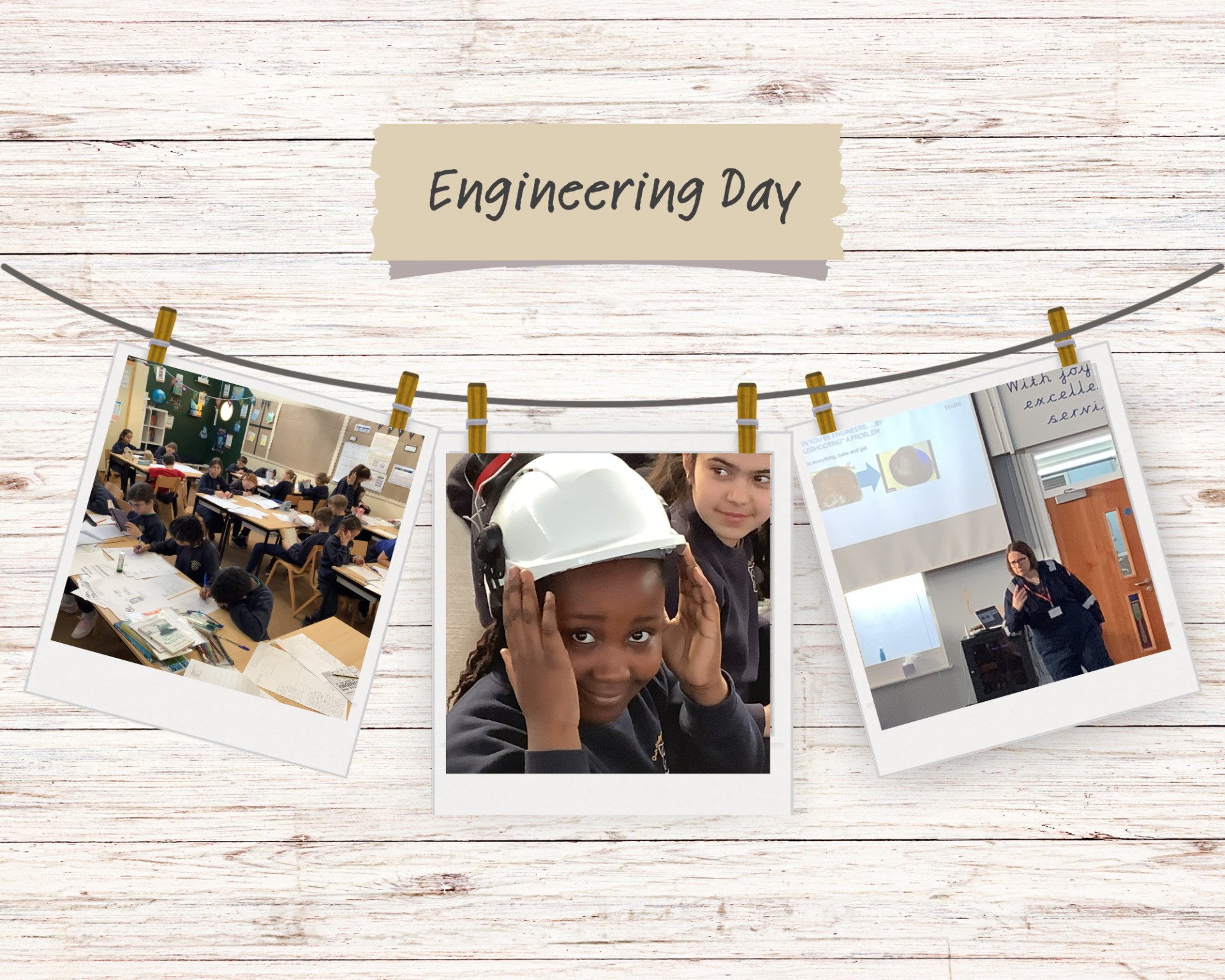
During our Engineering Day, pupils explored what it means to be an engineer and challenged common assumptions about who engineers can be. A highlight of the day was the opportunity to meet and interview engineer Emma Bordogna, who spoke openly about her work, her experience of having ADHD, and her journey into engineering. Emma explained how her ADHD supports her ability to problem-solve, think creatively and approach challenges in different ways, providing pupils with a powerful example of a female and neurodivergent role model in a STEM career.
Throughout the day, pupils took part in a series of practical activities that encouraged them to identify real-world problems and design products to help solve them. Emma worked alongside pupils in classrooms, supporting them as they developed ideas and guiding them through the thinking and design process.
As part of the challenge, pupils were asked to consider sustainability and accessibility, ensuring their designs could be used by as many people as possible and have a positive impact on the world around them. The day concluded with pupils writing letters to explain and justify their designs, strengthening their ability to communicate ideas clearly and persuasively.
Engineering Day offered an exciting opportunity for pupils to combine creativity, critical thinking and real-world application, while seeing first-hand how different ways of thinking can be a strength in engineering and innovation.
'Voices of Hope' Oracy Project - Year 3 and Year 4
As part of the Voices of Hope oracy project, pupils in Year 3 and Year 4 took part in creative workshops designed to build confidence, develop communication skills and explore the meaning of hope.
Year 3 focused on developing confidence in performance by building on the communication skills pupils already use every day. Through drama-based activities, pupils explored how voice, movement and expression work together to communicate meaning. They began learning the poem 'Hope Begins With Me', presented as a rap, and worked collaboratively to add actions and simple choreography. This supported rhythm, timing and teamwork, while helping pupils to feel more confident speaking and performing in front of others.
Year 4 built on these foundations through a workshop that encouraged pupils to think creatively and communicate with intention. Pupils explored how meaning can be conveyed through body language and tone of voice, experimenting with how an instruction can be communicated without words and how different tones can change the meaning of a greeting. They were then invited to reflect on what hope means to them personally.
This work forms the foundation of a wider project in which Year 4 will prepare and conduct interviews within our local community, exploring different perspectives and what people hope for the future. Pupils will be challenged to draw out thoughtful responses and share their findings, recognising shared values and experiences.
Across both year groups, pupils demonstrated growing confidence, maturity and creativity, developing the skills needed to communicate clearly, listen carefully and engage respectfully with others.
Parents and carers of children in Year 1 were invited into school to take part in a phonics workshop designed to support learning at home and strengthen partnership between home and school.
During the session, staff shared an overview of how phonics is taught in school and explained what parents and carers can expect from the Year 1 Phonics Screening Check. This helped provide clarity and reassurance, as well as a shared understanding of how children develop early reading skills.
The workshop also focused on practical strategies that families can use at home to support phonics learning. Parents and carers were shown how sounds are taught, how to support blending and segmenting, and how to build confidence and accuracy when reading with their child.
A range of phonics resources were shared and discussed, giving families the opportunity to explore materials used in school and ask questions about how best to support their child’s progress. The session provided a valuable opportunity for open discussion, shared learning and collaboration.
The workshop reflected our commitment to working closely with parents and carers to ensure children receive consistent, supportive phonics teaching both in school and at home.
Pupil Leaders Visit to Parliament
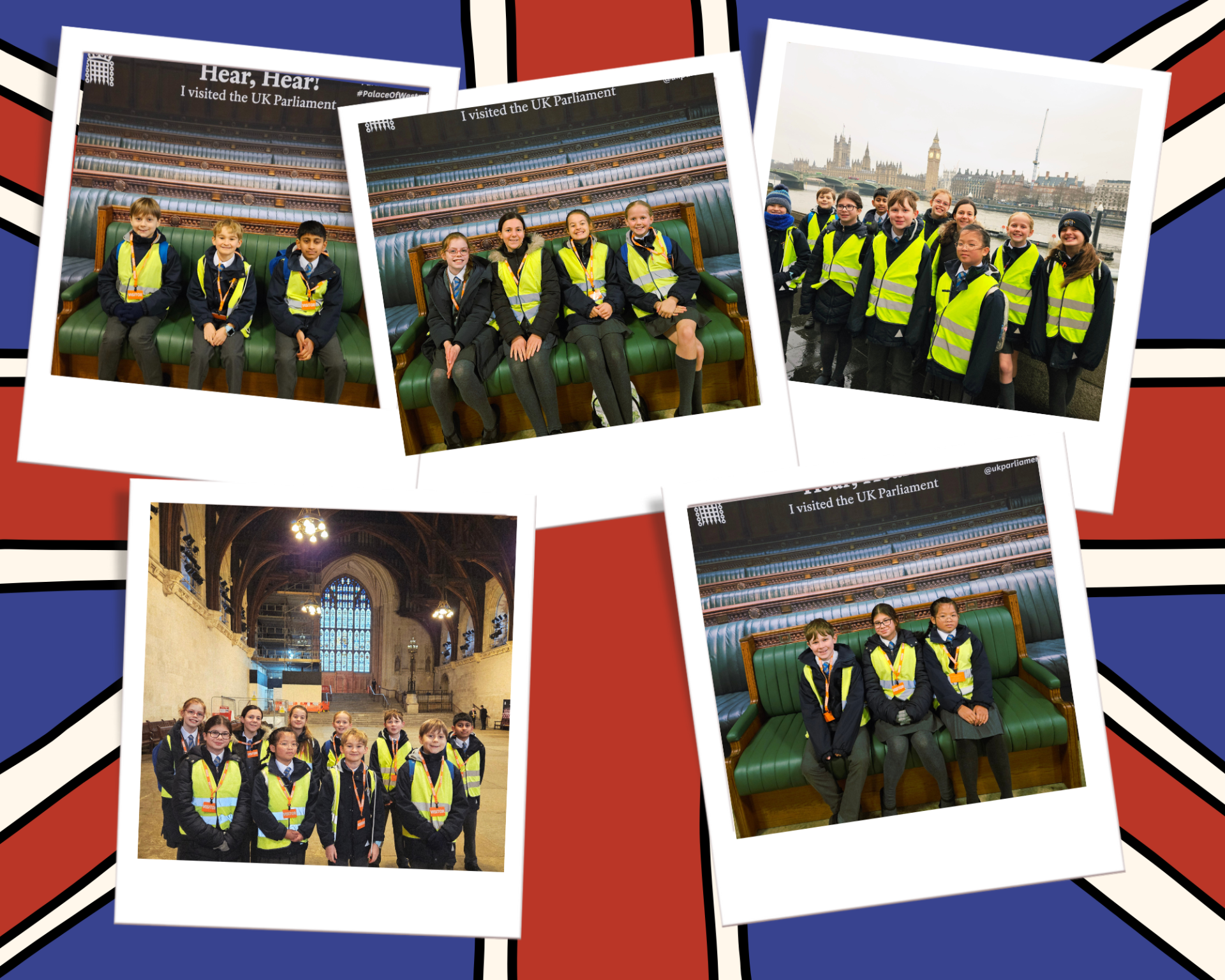
A group of pupil leaders from Years 5 and 6 took part in a visit to the UK Parliament, giving them the opportunity to see British democracy in action.
The visit included a guided tour of the Palace of Westminster, where pupils visited both the House of Commons chamber and the House of Lords. This supported pupils’ understanding of how debate and decision-making take place within Parliament.
Pupils were also invited by our local MP, Lincoln Jopp, to sit in on part of a committee meeting considering the Cyber Security and Resilience Bill. The discussion focused on how technology and digital systems are kept safe and secure, linking closely to pupils’ learning in PSHE around digital literacy, online safety and the responsible use of technology. Observing these discussions in Parliament was fascinating for the pupils.
The visit supported pupils’ understanding of British values, particularly democracy and the rule of law, and reinforced the importance of pupil leadership and active citizenship. It also provided a valuable opportunity for pupils to learn beyond the classroom and see how the democratic process works in practice.
National Storytelling Week
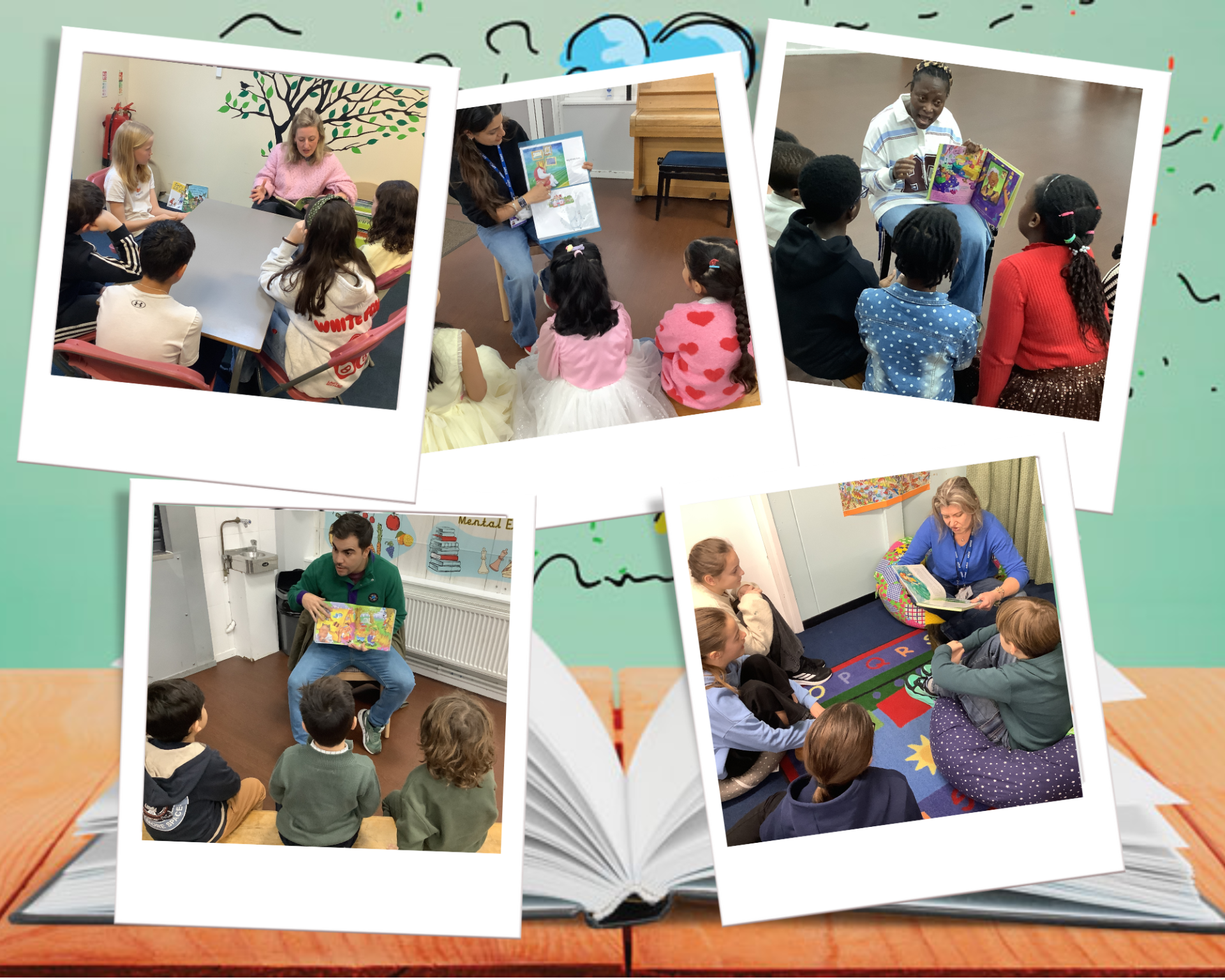
National Storytelling Week was marked through shared storytelling experiences across the school, linked to this year’s theme, 'Soundtrack Your Story', which explored how voice, language and expression bring stories to life.
Stories were shared in a wide range of languages spoken within our school community, including Pidgin, Hindi, Polish, Spanish, Italian, English and Portuguese. Parents, carers and staff were invited to read and tell stories, giving pupils the opportunity to hear stories told through different languages, rhythms and voices. Older pupils took on a leadership role by reading to younger children, helping to build confidence, fluency and a shared enjoyment of storytelling across the school.
In Nursery and Reception, families took part in stay, play and read sessions, creating relaxed opportunities for adults and children to enjoy stories together and support early language development.
Across the week, storytelling became a shared focus for connection, listening and enjoyment, reinforcing the importance of language and stories within our school community.
Safer Internet Day 2026
Safer Internet Day 2026 provided an opportunity for pupils to revisit important messages about using technology safely, respectfully and responsibly. This year’s theme, Smart tech, safe choices – exploring the safe and responsible use of AI, encouraged children to think carefully about how emerging technologies are used in everyday life.
As part of the day, pupils in Key Stage 2 joined the BBC Live Lesson, which explored how artificial intelligence works and how to make thoughtful decisions when interacting online. Across the school, classes reflected on digital behaviour, online communication and how to seek support when something does not feel right.
The day supported ongoing learning in digital literacy, helping pupils to develop confidence and awareness as they navigate an increasingly digital world.

Children’s Mental Health Week 2026
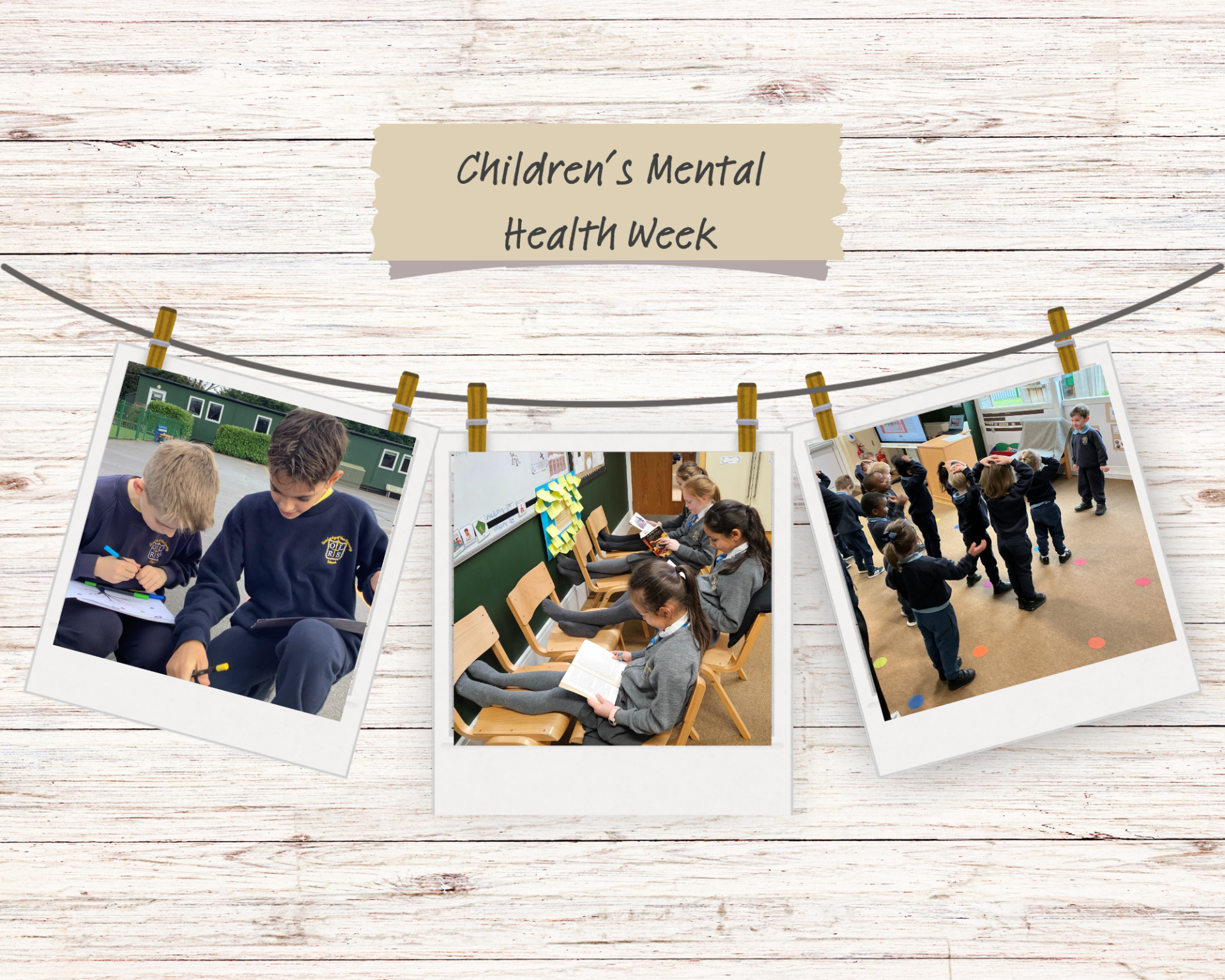
During Children’s Mental Health Week, pupils took part in a range of activities linked to this year’s theme, 'This is My Place', which focused on belonging and feeling part of a community.
Across the school, children spent time reading for pleasure, sharing stories together and creating calm moments within the day. Some classes enjoyed a relaxing walk outdoors, providing space to slow down and reflect, while others brought energy and joy into classrooms through music and dancing.
As part of the week, pupils also took part in a gratitude challenge, encouraging them to notice positive moments, appreciate others and reflect on what helps them feel supported within school. Activities such as these helped children to recognise the importance of connection, kindness and looking after their own wellbeing as well as that of others.